
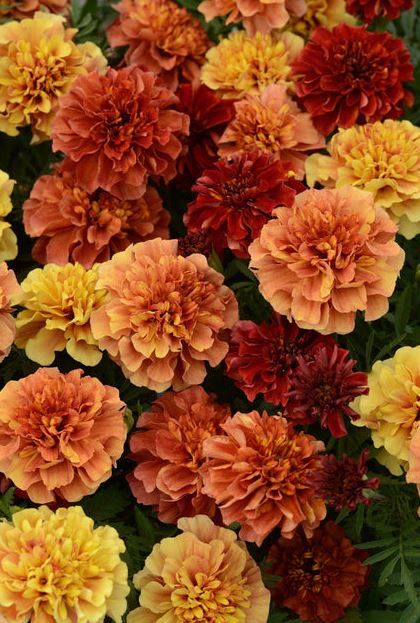
Beneficial flowers are often talked about as something extra – nice to have, but not essential. In reality, they can play an important role in keeping a garden balanced, especially in small spaces where every plant needs to do more than one job.
What Makes a Flower “Beneficial”?
A beneficial flower is one that supports the wider garden ecosystem. This usually means it:
- attracts pollinators like bees and hoverflies
- provides food or shelter for predatory insects
- blooms over a long period
- fits easily alongside food crops
Many of the most useful flowers are simple, open-faced blooms that insects can access easily.
Common Beneficial Flowers
Some flowers are especially easy to work into food gardens:
- Calendula – long-blooming and easy to tuck between crops
- Nasturtium – spreads gently and attracts pollinators
- Cosmos – light, airy, and attractive to beneficial insects
- Borage – a strong pollinator magnet with edible flowers
You don’t need many plants to see an effect.
Beneficial flowers attract pollinators, provide habitat for helpful insects, and help support overall garden health. Just as importantly, they bring beauty into food-growing spaces and make gardens feel alive.


Leave a Reply